Dispensary Scheduling Tools: A Practical Comparison for Multi-Location Cannabis Operators


Running a multi-location cannabis dispensary is not for the faint of heart. Between managing hourly staff across multiple stores, staying compliant with ever-changing state regulations, and controlling labor costs, scheduling quickly becomes one of the most complex operational challenges operators face. What works for a single-location shop with a tight-knit team often falls apart when scaled across regions, states, and dozens — or hundreds — of employees.
That is why choosing the right dispensary scheduling software matters far more for cannabis operators than you might think. Scheduling tools in this industry are not just about filling shifts. They are about compliance, cost control, visibility, and risk protection for the business.
This guide offers a practical, research-based comparison of the most widely used scheduling platforms among dispensaries today. The goal is not to crown a universal “winner,” but to help multi-location cannabis operators understand which tools are best suited for their operational needs.
The Unique Scheduling Challenges Dispensaries Face
Multi-Location Complexity Is the Norm, Not the Exception
Multi-location dispensaries operate in a uniquely fragmented environment. Different states — and sometimes different municipalities — enforce different labor laws, predictive scheduling rules, and cannabis-specific regulations. Add in varying store volumes, different operating hours, and shared staff floating between locations, and scheduling becomes a puzzle with constantly moving pieces.
A scheduler that works fine at one store can create compliance risk or labor inefficiencies at another if it cannot account for location-specific rules and data.
High Labor Costs + Tight Margins
Labor is one of the most significant controllable expenses for dispensaries, yet it is also one of the hardest to optimize. Overstaffing eats into margins. Understaffing hurts customer experience and sales. Multi-location operators need visibility into real-time labor spend, proactive overtime alerts, and forecasting tools that connect staffing decisions to actual sales performance.
Generic scheduling tools often stop at “who is working when,” without answering the more important question: Should they be working at all?
Cannabis Compliance Is Not Optional
Dispensaries operate under stricter compliance scrutiny than most industries. Scheduling intersects directly with that risk. Missed breaks, overtime violations, predictive scheduling penalties, or improper scheduling of minors can trigger fines or audits. In cannabis, those risks are magnified by additional recordkeeping and reporting expectations.
Scheduling software should support cannabis-specific compliance workflows, rather than forcing operators to patch gaps manually.
High Turnover + an Hourly Workforce
Dispensaries rely on large hourly teams, and turnover is a reality of retail cannabis. From a scheduling perspective, this means managers are constantly onboarding new employees into the scheduling system, updating availability, managing shift changes, and filling last-minute gaps. Scheduling tools must be intuitive and mobile-first so new hires can quickly view schedules, pick up shifts, and request time off without extensive training. When scheduling systems are overly complex, managers absorb the burden — spending more time troubleshooting schedules than optimizing coverage.
Disconnected Systems Create Operational Blind Spots
Many dispensaries still rely on separate systems for scheduling, time tracking, POS, and compliance reporting. When these tools are not connected, schedules are built in isolation — without real-time visibility into sales volume, actual hours worked, or compliance risk. Managers may schedule based on assumptions rather than data, only discovering overtime issues, missed breaks, or labor overruns after the fact. For multi-location operators, these blind spots compound quickly. Without a unified view of scheduled versus actual labor across stores, leadership loses the ability to spot inefficiencies, enforce consistent scheduling standards, or respond proactively to risk. What starts as a minor data gap at one location can become a systemic operational issue across the entire organization.
Now that we’ve highlighted the importance of a robust, cannabis-specific scheduling platform, let’s dive into the top contenders!
How We Evaluated Scheduling Tools
To compare dispensary scheduling platforms fairly, each tool was evaluated based on the criteria that matter most to cannabis operators, especially those managing multiple locations:
- Scheduling automation and flexibility
- Labor forecasting and cost visibility
- Multi-location management capabilities
- Compliance tooling, including state labor laws, breaks, overtime, and minors
- Time tracking and attendance accuracy
- Integrations with POS and payroll systems
- Reporting and enterprise dashboards
- Ease of rollout and ongoing use
- Overall fit for dispensaries, with an emphasis on cannabis-specific needs
This framework prioritizes operational reality over feature checklists.
Scheduling Tool Overviews: Strengths, Weaknesses, + Ideal Fit
KayaPush
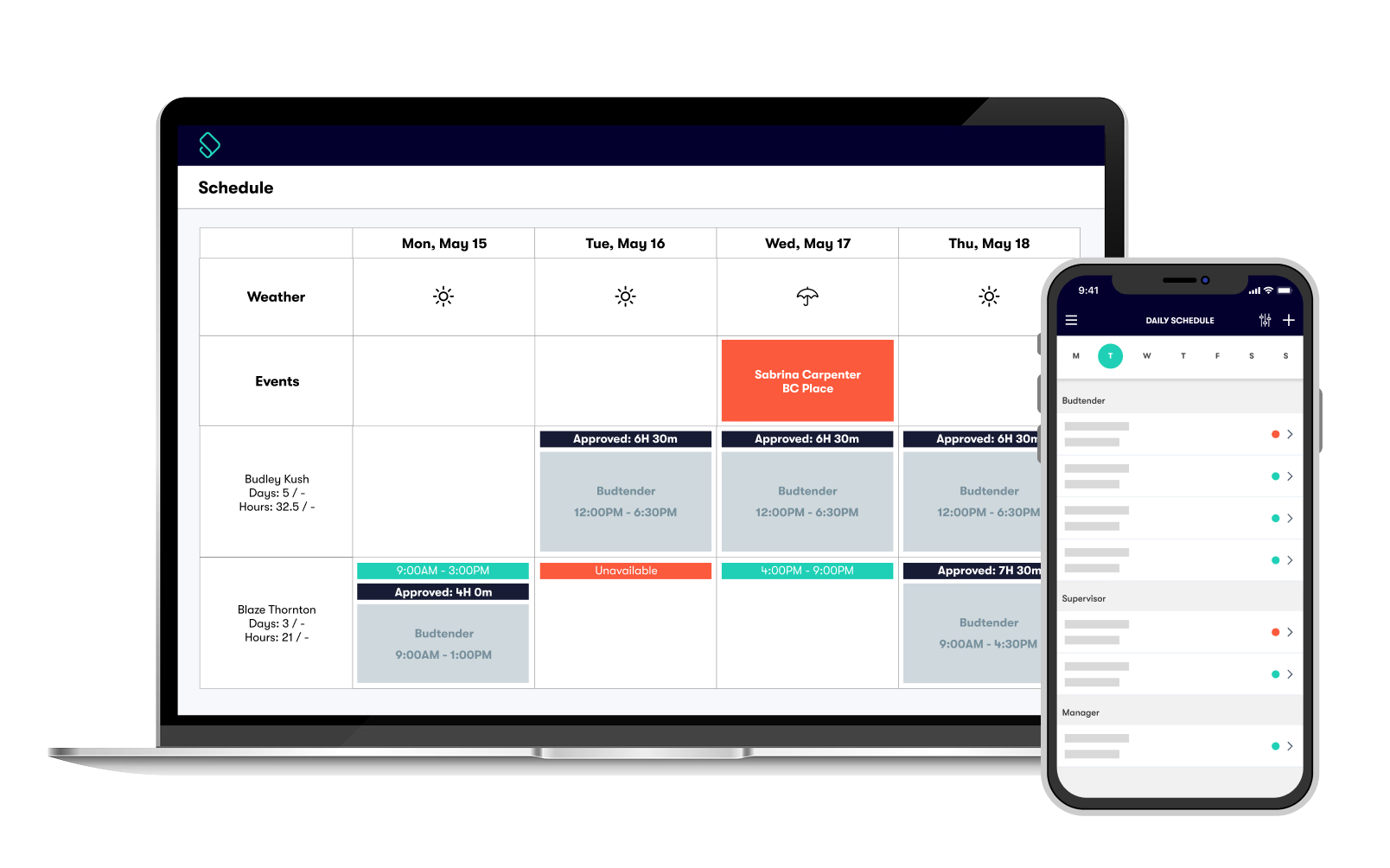
KayaPush is a cannabis-focused workforce management platform built specifically for dispensaries. It combines scheduling, time tracking, task management, compliance, and reporting into a single system built for regulated retail.
Scheduling in KayaPush is simple and automated, thanks to auto-scheduling! Scheduling is directly tied to labor forecasting, POS sales data, and compliance rules, ensuring staffing decisions are data-driven rather than guesswork. Operators can build location-specific schedules in minutes, automatically enforce break and overtime rules, and track shift changes with full audit logs — all while maintaining multi-location visibility through interactive dashboards.
Native integrations with cannabis POS systems such as Cova, Treez, Dutchie, Flowhub, and Blaze enable schedules to align with real-time sales and store performance. Task management can be linked to shifts, so employees see exactly what needs to be done during their scheduled hours. While KayaPush’s rich compliance and reporting capabilities may require some initial training, the platform reduces manual reconciliation and makes labor, compliance, and scheduling decisions transparent and centralized.
Ideal For
Multi-location dispensaries seeking a simplified, automated scheduling solution, where scheduling, compliance management, task tracking, and reporting are in one cannabis-native platform.
Evolve HCM
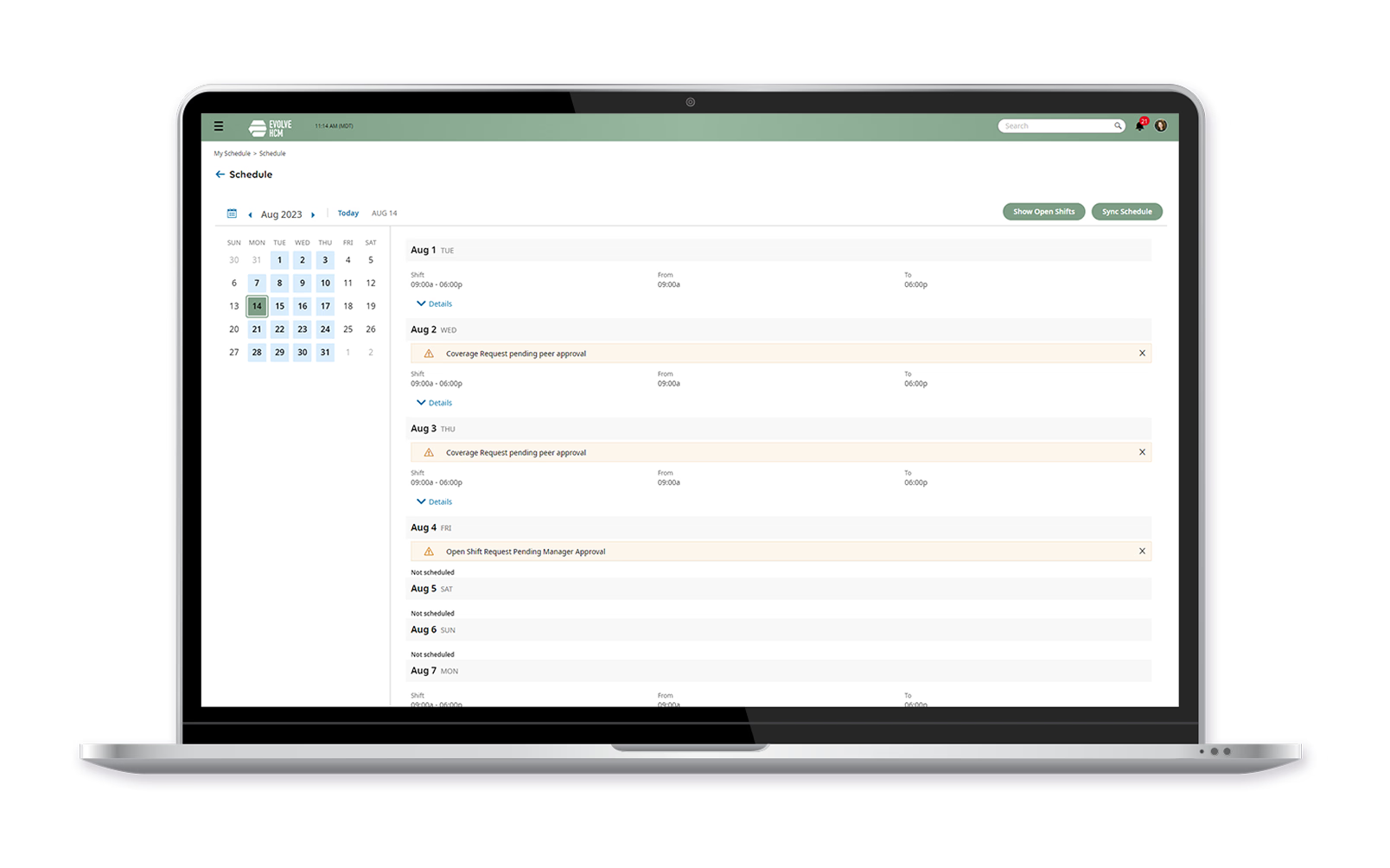
Evolve HCM is a cannabis-focused human capital management platform offering payroll, HR, time tracking, and scheduling for dispensaries and cultivators. Scheduling is part of a broader HR and payroll ecosystem, allowing operators to align labor schedules with payroll rules and employee records. Evolve’s scheduling tools support shift creation, availability tracking, and basic labor controls, with cannabis-aware payroll considerations. However, scheduling is not the platform's primary focus. Advanced labor forecasting, POS-driven staffing models, and real-time sales-to-labor insights may require additional manual analysis or external systems.
Ideal For
Dispensaries that prioritize payroll and HR compliance and want scheduling tightly connected to payroll workflows, rather than advanced labor optimization.
Wurk
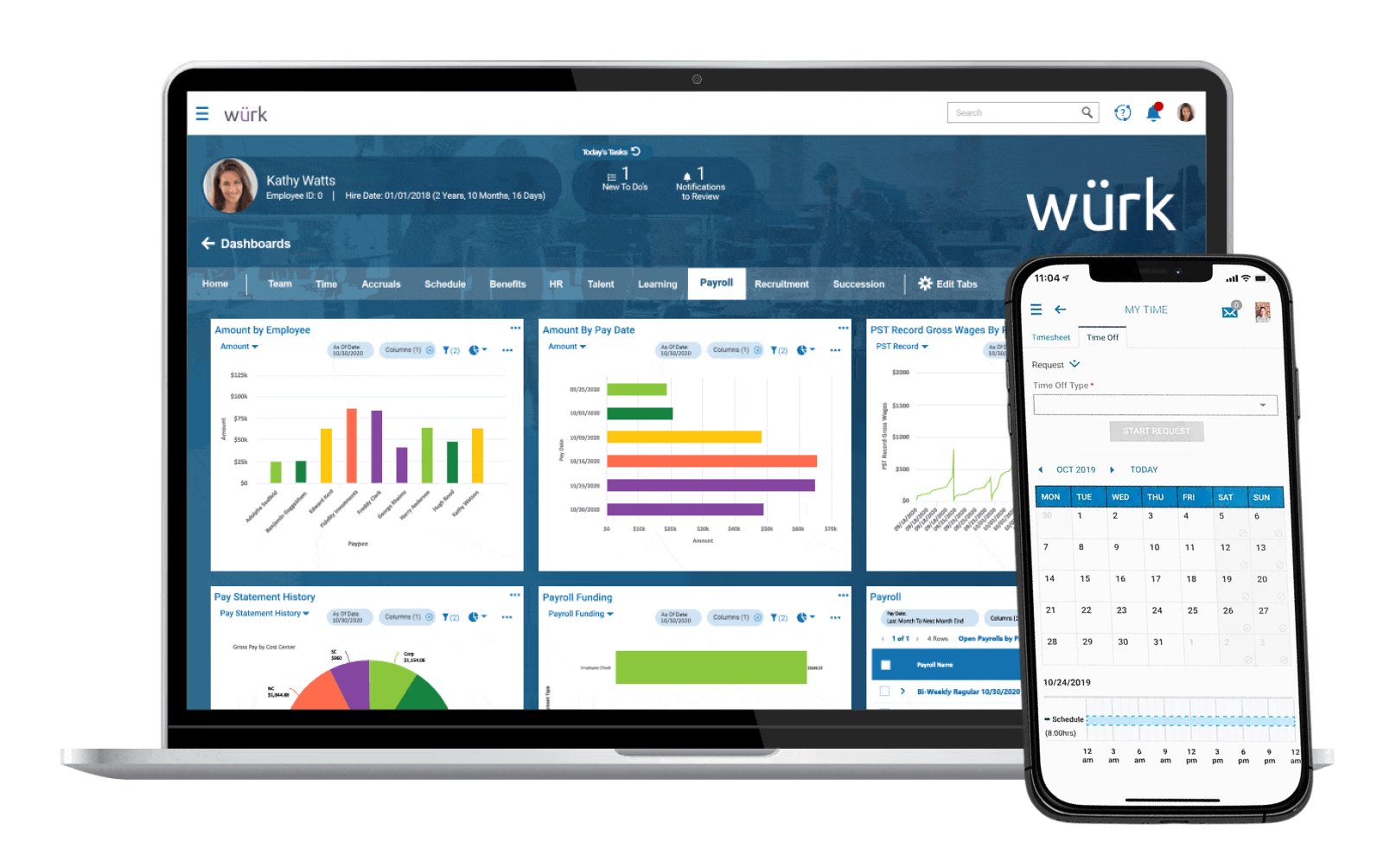
Wurk is a cannabis-specific HR and workforce management platform offering payroll, HR, compliance, and scheduling tools. The platform emphasizes regulatory compliance and payroll accuracy for cannabis operators. Scheduling in Wurk supports shift management, availability, and time tracking within a compliance-focused framework. Because Wurk is heavily HR- and payroll-centric, scheduling functionality tends to be more structured and less focused on dynamic labor forecasting or sales-driven staffing adjustments. POS-based labor optimization may require additional tools or integrations.
Ideal For
Cannabis operators who prioritize HR, payroll, and regulatory compliance and want scheduling embedded within those workflows.
Paragon
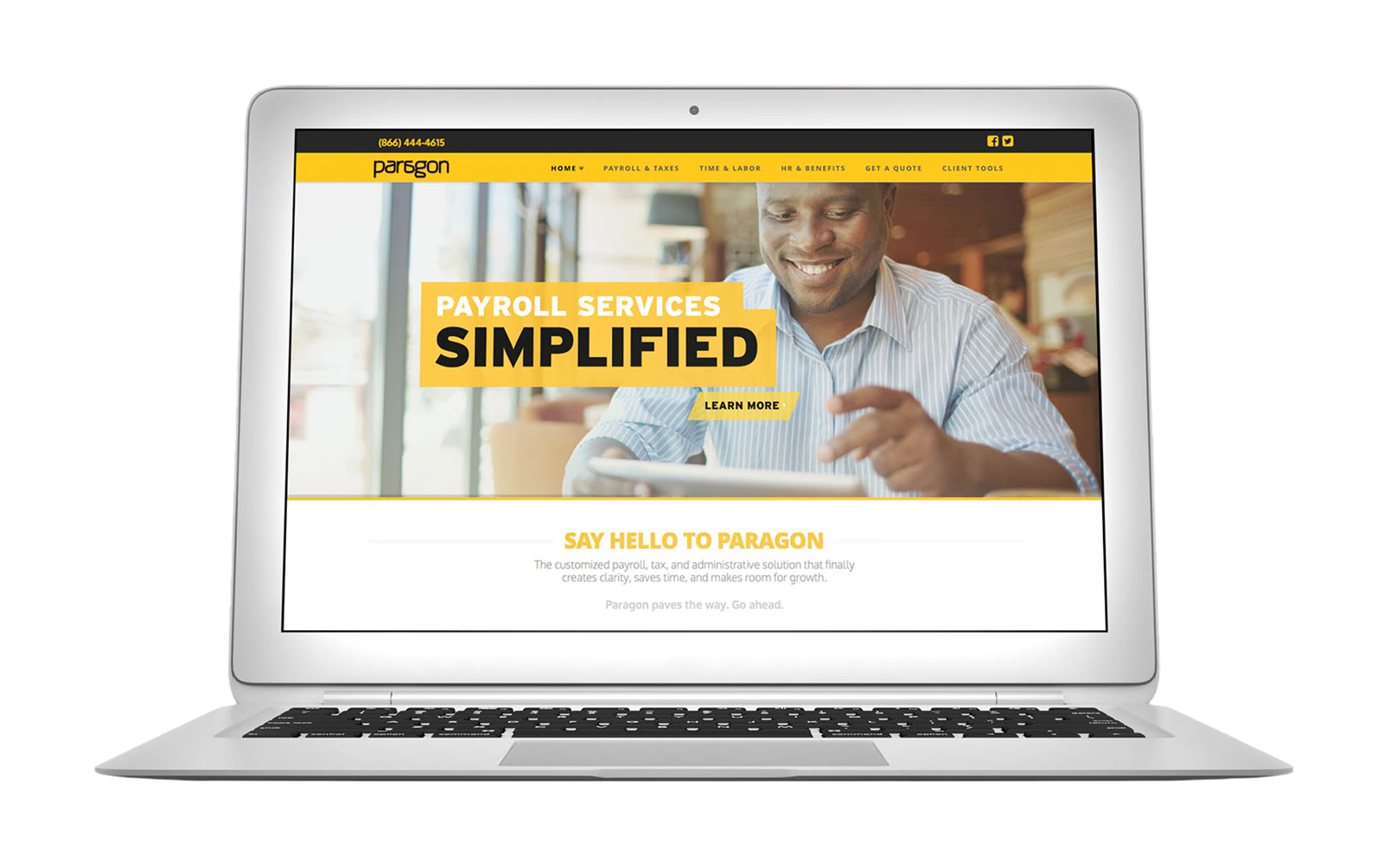
Paragon is a cannabis workforce management platform designed specifically for dispensaries, focusing on scheduling, task management, and compliance. Scheduling is built around dispensary workflows, including role-based shifts, task alignment, and audit-friendly records. Paragon supports schedule templates, shift assignments, and task-driven labor planning. While it offers cannabis-specific scheduling logic, labor forecasting, and advanced sales-based staffing insights, these may be more limited than on platforms with deeper POS-driven analytics.
Ideal For
Dispensaries seeking cannabis-native scheduling with built-in task management and compliance visibility, particularly for store-level operations.
Shiftlab
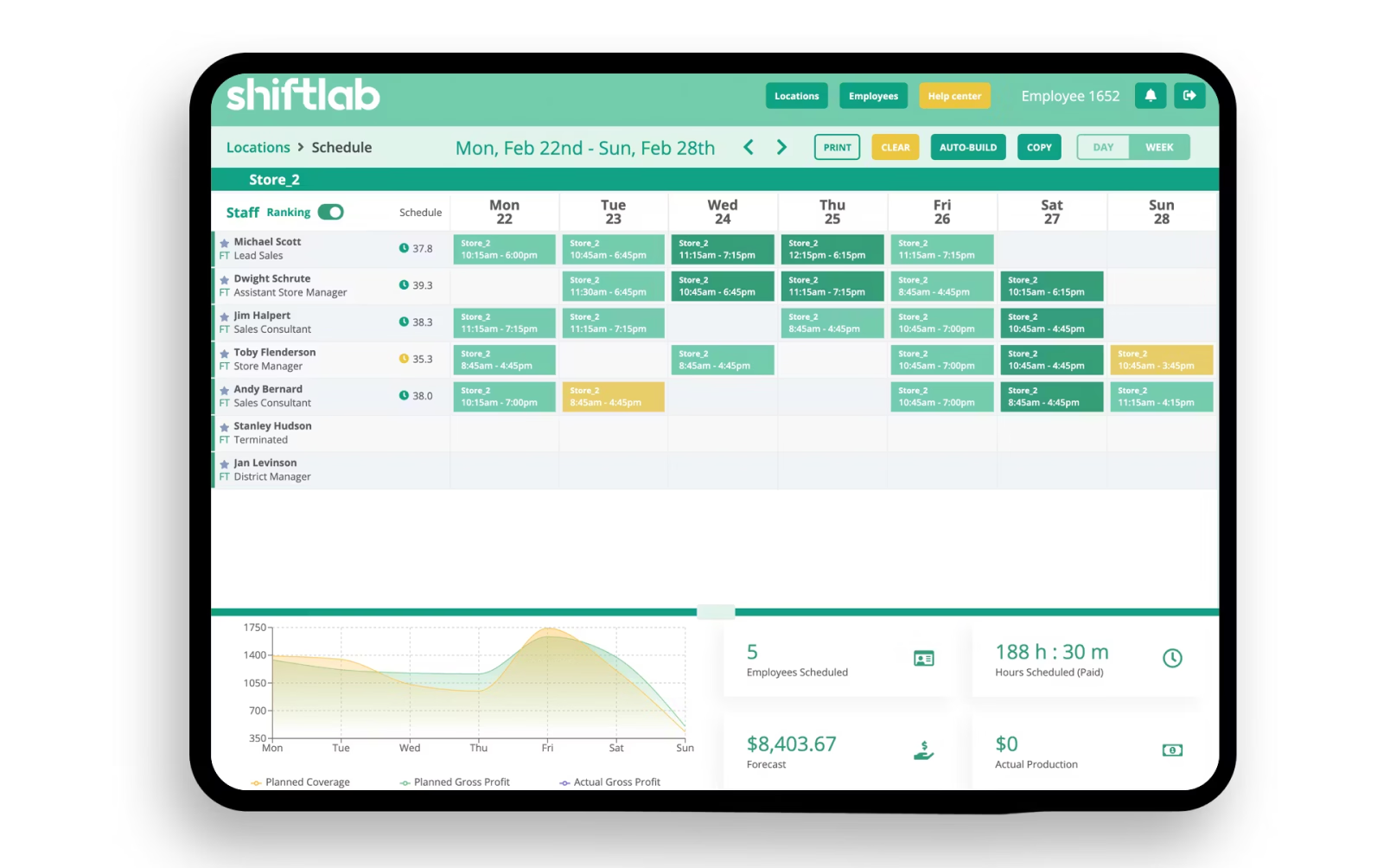
Shiftlab is a scheduling and labor management platform designed for hourly workforces across retail and service industries, including cannabis. It offers mobile-first scheduling, availability management, shift swaps, and communication tools. Scheduling in Shiftlab is intuitive and easy to deploy, making it accessible for managers and frontline staff. However, as Shiftlab is not built specifically for the cannabis industry, cannabis-specific compliance tooling, advanced labor forecasting, and POS-integrated scheduling intelligence may be limited, especially for multi-location operators with complex regulatory needs.
Ideal For
Dispensaries looking for user-friendly scheduling and communication tools without deep cannabis compliance or enterprise labor analytics.
Connecteam

Connecteam is a comprehensive workforce management platform that offers scheduling, communication, training, and task management. It provides a comprehensive employee app experience that combines scheduling, training, and internal communication. Scheduling is just one module, and payroll or POS integrations may require additional tools. However, since Connecteam is not built specifically for the cannabis industry, cannabis-specific compliance support is limited.
Ideal For
Dispensaries are seeking a comprehensive workforce management platform that extends beyond scheduling, particularly for training and communication.
When I Work
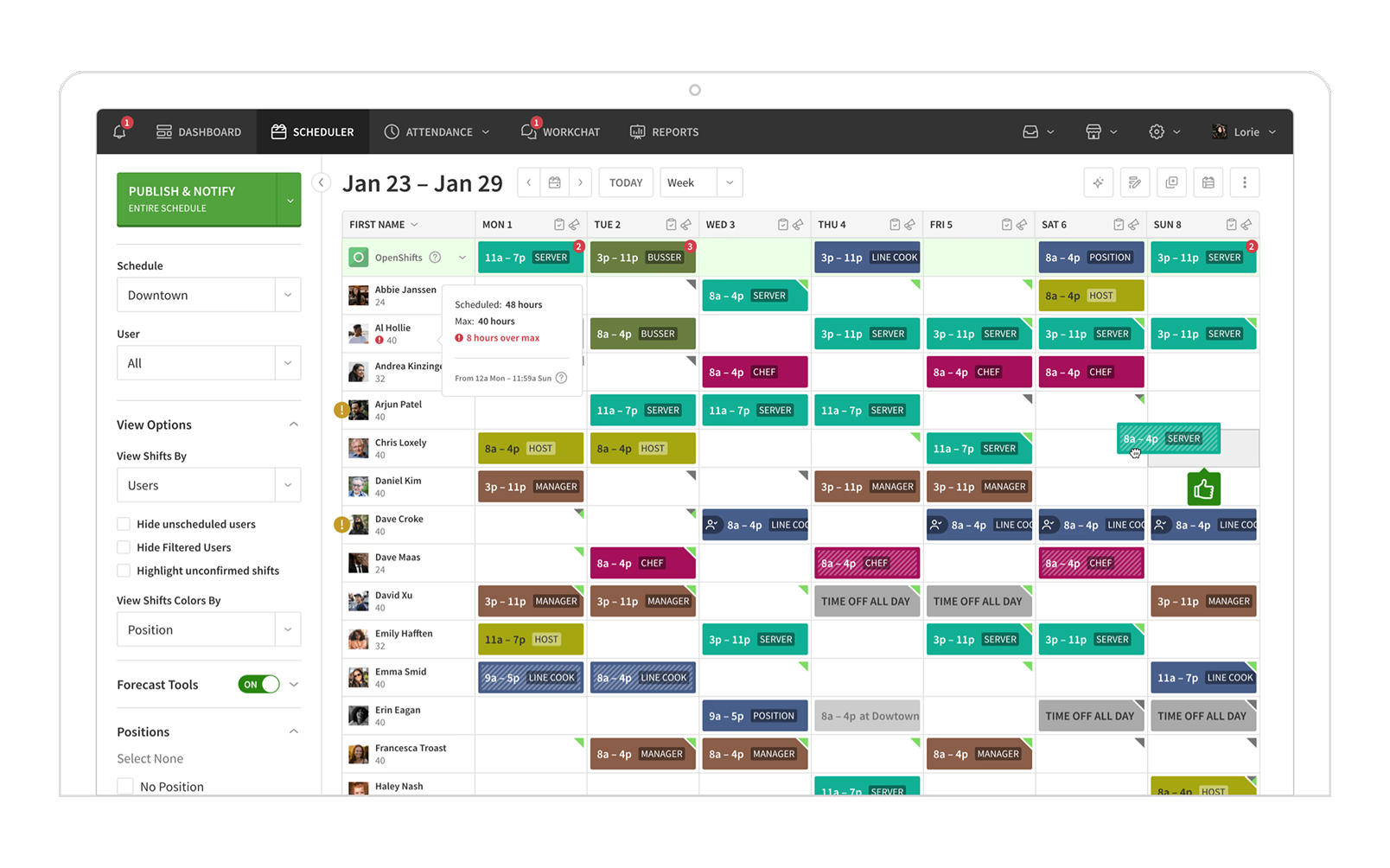
When I Work is a widely used scheduling and time tracking platform across retail, hospitality, and service industries. It offers drag-and-drop scheduling, employee availability management, shift swapping, and mobile notifications. While When I Work is easy to use and quick to implement, it is not cannabis-specific. Scheduling rules, compliance enforcement, and labor forecasting are more generic, requiring managers to manually account for cannabis regulations, predictive scheduling laws, and multi-location complexity.
Ideal For
Small to mid-sized dispensaries with straightforward scheduling needs and limited compliance complexity.
What Matters for Dispensaries: Feature Comparison
Scheduling Automation
Advanced scheduling platforms do more than just assign shifts — they help dispensaries create schedules that adapt to real-world needs. Auto-scheduling can generate shifts based on employee availability, labor budgets, and historical sales patterns, while templates make it easy to replicate recurring schedules across multiple locations. Features like shift swaps and coverage alerts let employees manage their own schedules, while managers receive notifications about any gaps or conflicts. Automation also enforces labor rules, breaks, and role-specific requirements, preventing compliance issues before schedules are published.
Multi-Location Management
Managing several dispensaries at once requires visibility into both individual stores and the enterprise as a whole. Centralized dashboards provide a snapshot of all locations, showing scheduled versus actual labor, open shifts, and potential coverage gaps. Location-specific rules ensure that state-specific labor laws, predictive scheduling requirements, and cannabis compliance regulations are enforced consistently. With enterprise oversight, leadership can quickly identify staffing imbalances, compare store performance, and make adjustments before problems escalate.
Labor Forecasting + Cost Control
Real-time labor spend, sales-driven staffing models, and overtime prevention separate operationally mature dispensaries from reactive ones. POS-connected forecasting is especially valuable.
Compliance + Cannabis Labor Laws
Labor is one of the most significant controllable expenses for dispensaries, and advanced scheduling tools help keep costs in check. Real-time labor tracking shows how scheduled hours compare to actual hours worked, while sales-driven staffing models help match employee coverage to demand. Features like overtime prevention alerts and budget thresholds help keep labor spend within target ranges, and integrations with POS systems ensure schedules reflect actual sales performance rather than historical assumptions.
Integrations
Scheduling is most effective when it connects with other operational systems. POS integrations with platforms like Cova, Treez, Dutchie, Flowhub, and Blaze enable managers to align staffing with sales and customer traffic. Payroll and HR integrations eliminate duplicate work, reduce errors, and ensure that time tracking flows seamlessly into payroll. These integrations create a unified system that provides a single source of truth for labor, compliance, and operational performance.
Time Tracking + Attendance
Accurate time tracking is critical for compliance and cost control. Mobile clock-ins, geofencing, and approval workflows make it easy for employees to log time accurately, while managers can quickly approve hours and spot anomalies. Reliable attendance records protect both the business and employees, ensuring that schedules, payroll, and labor reports all align.
Reporting + Multi-Unit Dashboards
Enterprise dashboards enable leadership to monitor performance across all locations. Sales-versus-labor reporting, schedule adherence, and custom reports allow managers to identify inefficiencies and optimize staffing decisions. These insights turn scheduling from a reactive task into a strategic tool for labor optimization and operational oversight.
Mobile Experience
A strong mobile experience is critical for adoption and operational efficiency. Employee apps enable staff to view schedules, swap shifts, and receive real-time notifications. Manager tools provide oversight, approvals, and alerts while on the go. Internal messaging within the platform ensures clear communication, reduces confusion around schedules, and helps keep operations running smoothly across multiple locations.
Choosing the Right Scheduling Tool for Your Dispensary
For multi-location cannabis operators, the “best” scheduling tool depends on how complex scheduling needs vary across locations, how tightly scheduling must align with compliance requirements, and how much visibility leadership requires into labor performance.
- KayaPush is best for multi-location dispensaries that need scheduling deeply connected to cannabis compliance, POS-driven labor forecasting, task management, and enterprise reporting in a single, cannabis-native platform.
- Evolve HCM works well for dispensaries that prioritize payroll and HR compliance first and want scheduling closely tied to payroll workflows rather than advanced labor optimization.
- Wurk suits cannabis operators focused on regulatory compliance and payroll accuracy, with scheduling embedded into broader HR and compliance processes.
- Paragon is a strong fit for dispensaries seeking cannabis-specific scheduling and task management at the store level, particularly where day-to-day execution and audit visibility matter most.
- Shiftlab appeals to dispensaries looking for mobile-first scheduling, availability management, and communication, without the need for deep cannabis compliance or sales-based labor forecasting.
- When I Work is appropriate for small to mid-sized dispensaries with straightforward scheduling needs and limited multi-location or regulatory complexity.
- Connecteam is best for dispensaries that want scheduling as part of a broader workforce platform focused on communication, training, and employee engagement beyond scheduling alone.
The key is alignment. A scheduling platform should scale with operational complexity, enforce compliance automatically, and provide visibility into labor performance — not force teams to rely on manual workarounds as the business grows.
Conclusion
Scheduling in cannabis is about far more than simply filling shifts. It’s about optimizing employee performance, controlling labor costs, mitigating compliance risk, and scaling operations efficiently across multiple locations. Generic scheduling tools often fall short in the complex, highly regulated environment of multi-location dispensaries.
Choosing a cannabis-native scheduling platform with robust forecasting, POS integrations, and multi-location reporting is one of the most impactful operational decisions a dispensary can make. Platforms like KayaPush are built for this reality, connecting scheduling, compliance, and performance into a single, centralized system that gives managers visibility and control.
The best way for operators to evaluate a scheduling solution is to see it in action. Test workflows, explore multi-location features, and assess how each platform handles the real-world challenges of running a regulated cannabis operation — because the right tool can transform scheduling from a daily headache into a strategic advantage.
Ready to see what cannabis-native scheduling looks like in practice? Schedule a KayaPush demo today and explore how unified scheduling and compliance can simplify multi-location dispensary operations.